







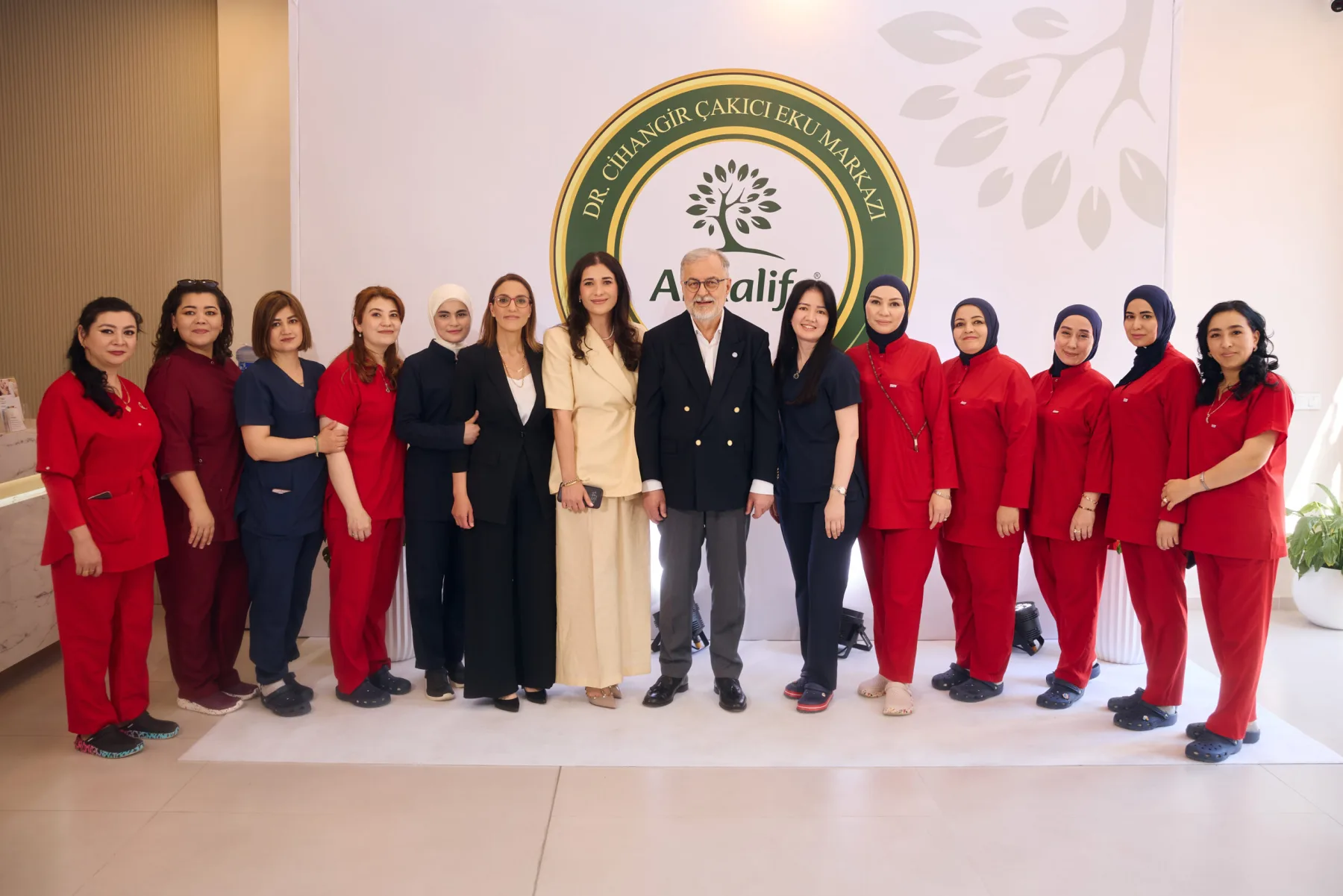
IVF & Women's Health · Tashkent · Andijan · Bishkek
A personalised plan. We're by your side.
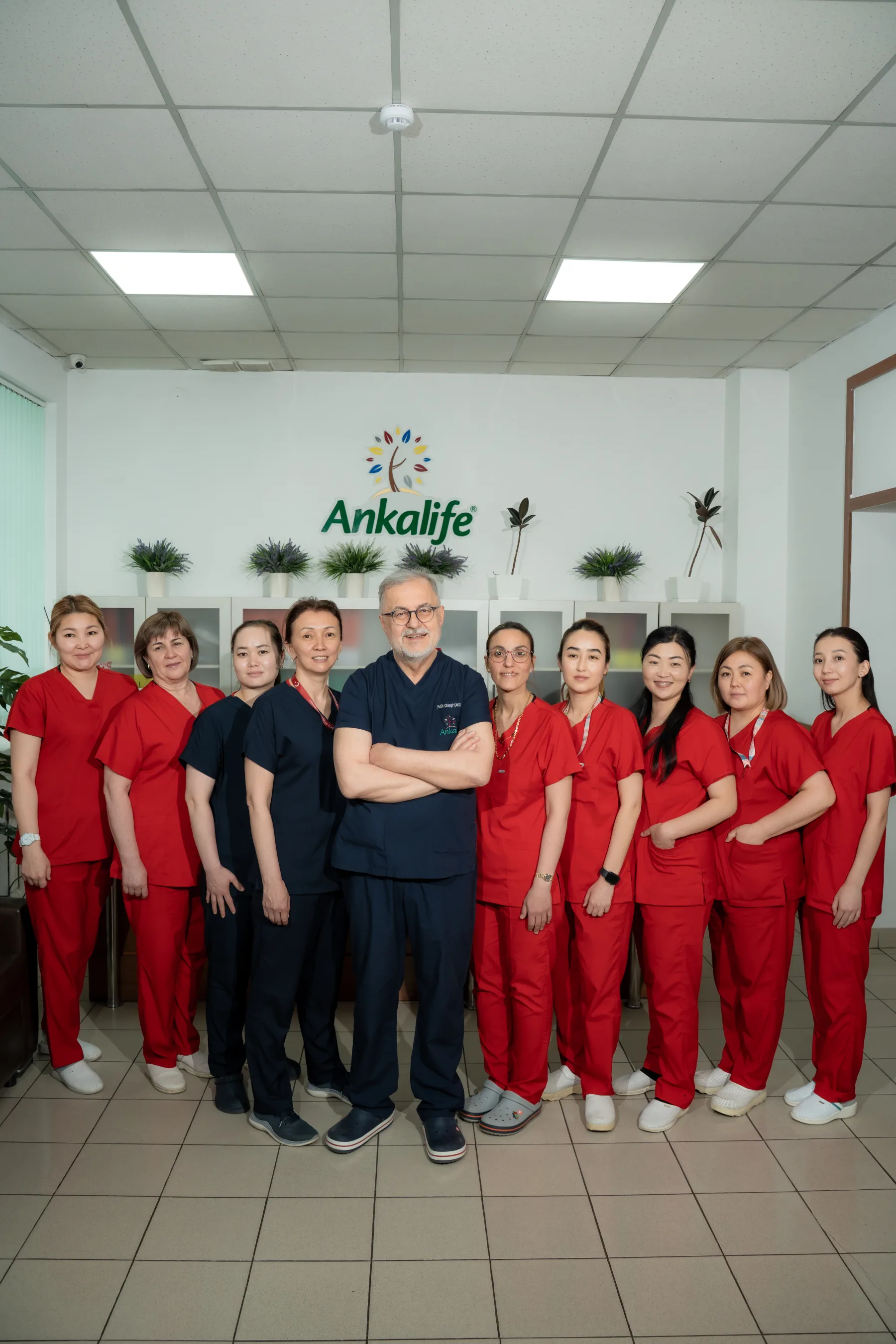
Women’s health and IVF care at our centres in Tashkent, Andijan and Bishkek, with individual assessment, an in-house embryology laboratory and an experienced medical team.
 Since 2019
Reproductive health care in Tashkent, Andijan and Bishkek
 First meeting with a doctor
Your pathway begins with a medical assessment
 On-site laboratory
Embryology stages take place within the center
 Communication in 4 languages
Support in Uzbek, Russian, Turkish and English
About the center
Turkish reproductive medicine — in Tashkent
Ankalife opened in Tashkent in 2019 on the initiative of Assoc. Prof. Cihangir Çakıcı, an obstetrician-gynaecologist and IVF specialist.
The laboratory is equipped with instruments brought from Germany and Turkey and follows the same protocols as the founder's clinic in Turkey. The center provides all reproductive medicine services permitted by law.
IVF procedures are performed on an outpatient basis — you do not stay overnight.

The process
One cycle takes about three weeks
From the first consultation to the pregnancy test — see when each step happens.
-
Days 1–10
Stimulation
Injections at home, ultrasound checks every 2–3 days. No need to stop working.
-
Day 11
Egg retrieval
15–20 minutes under anaesthesia. You go home the same day.
-
Days 11–16
Laboratory
Fertilisation and embryo growth to the blastocyst stage.
-
Day 16 → 22
Transfer and waiting
Transfer without anaesthesia, then the hCG blood test.
Timings are approximate: your doctor sets the exact plan based on your test results.
Explore the full treatment journey →Our centres
Centres and branches
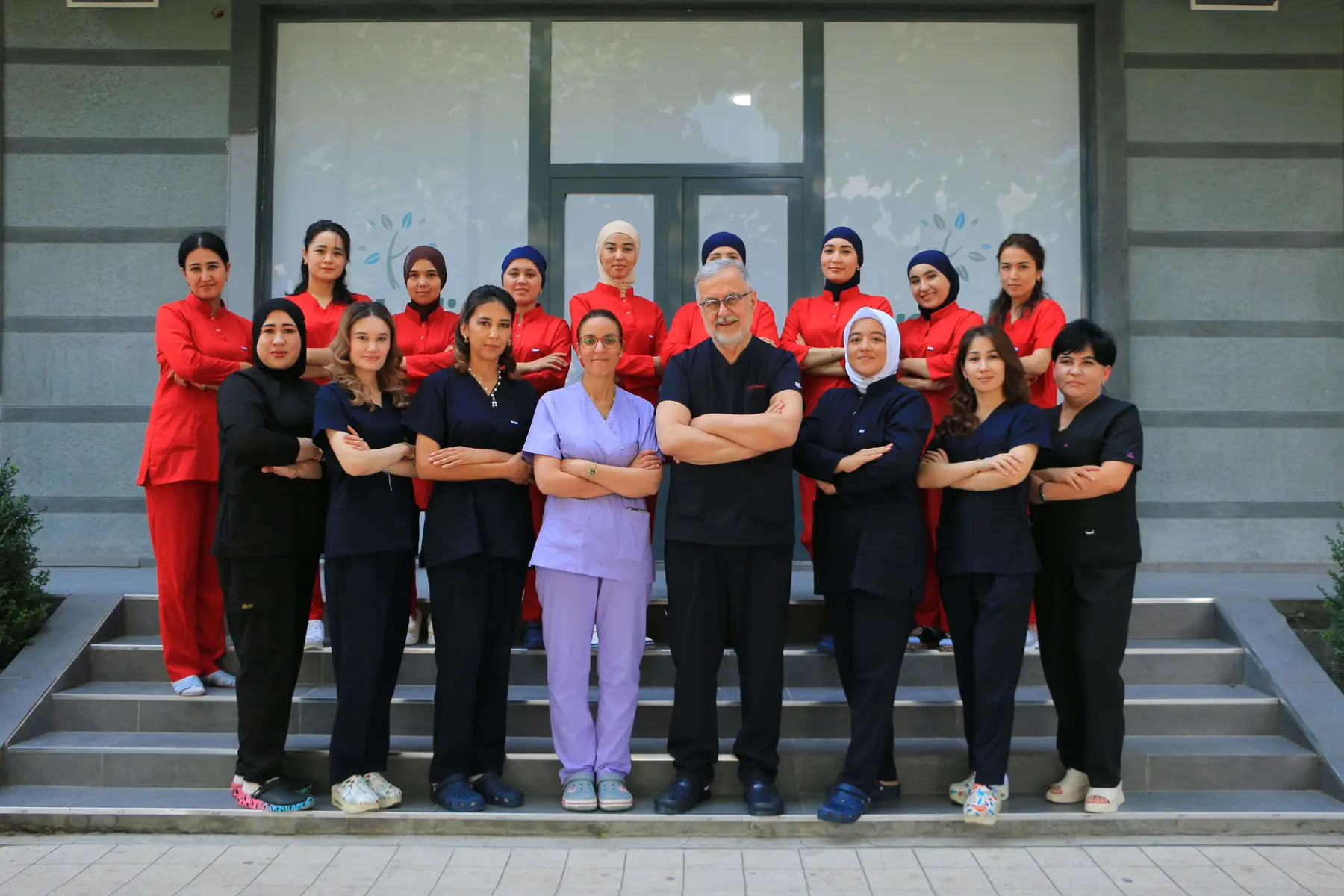
Andijan
Ankalife Andijan Clinic
4 Ahmad Donish Street, Andijan (next to Medsanchast Hospital)
View centre →Treatments
What we do

Main programme
IVF (in vitro fertilisation)
Stimulation, egg retrieval, fertilisation and embryo transfer. One cycle takes about three weeks.
Read more

Male factor
Micro-TESE for azoospermia
Surgical sperm retrieval under an operating microscope.
Read more
Diagnostics
Hysteroscopy
Examination of the uterine cavity before a programme, when a problem is suspected.
Read more
Genetics
PGT — genetic testing of embryos
Embryo biopsy and analysis before transfer, when indicated.
Read more
Fertility preservation
Embryo and egg freezing
Vitrification — for transfer in a later cycle or for delayed motherhood.
Read moreConditions
Why people come to us
Start with what you know about yourself, not with the name of a procedure. Your doctor selects the protocol after the first examination and tests.
Low ovarian reserve
Low AMH, few follicles on ultrasound
Azoospermia
No sperm found in the semen sample
Blocked fallopian tubes
After infection, surgery or ectopic pregnancy
PCOS
Irregular cycle, no ovulation
Endometriosis
Pain, long time without pregnancy
Male factor
Low semen analysis results, varicocele
Failed IVF attempts
When previous cycles did not work
Unexplained infertility
When tests find no cause
Our specialist team
Our doctors
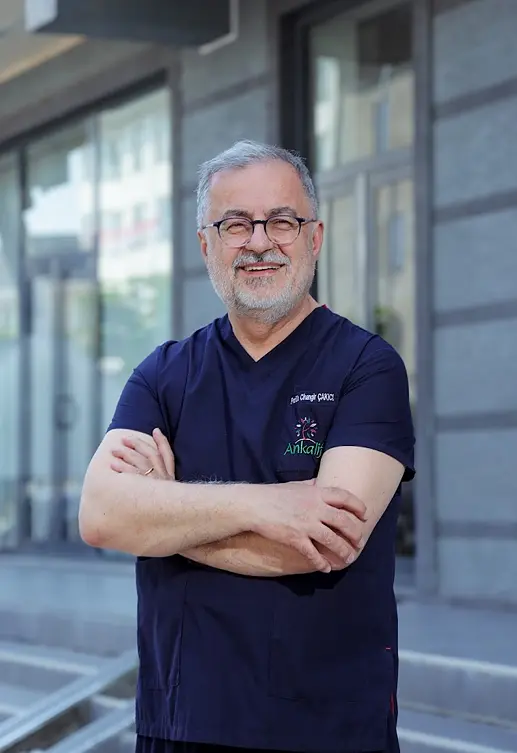 43+ years of experience
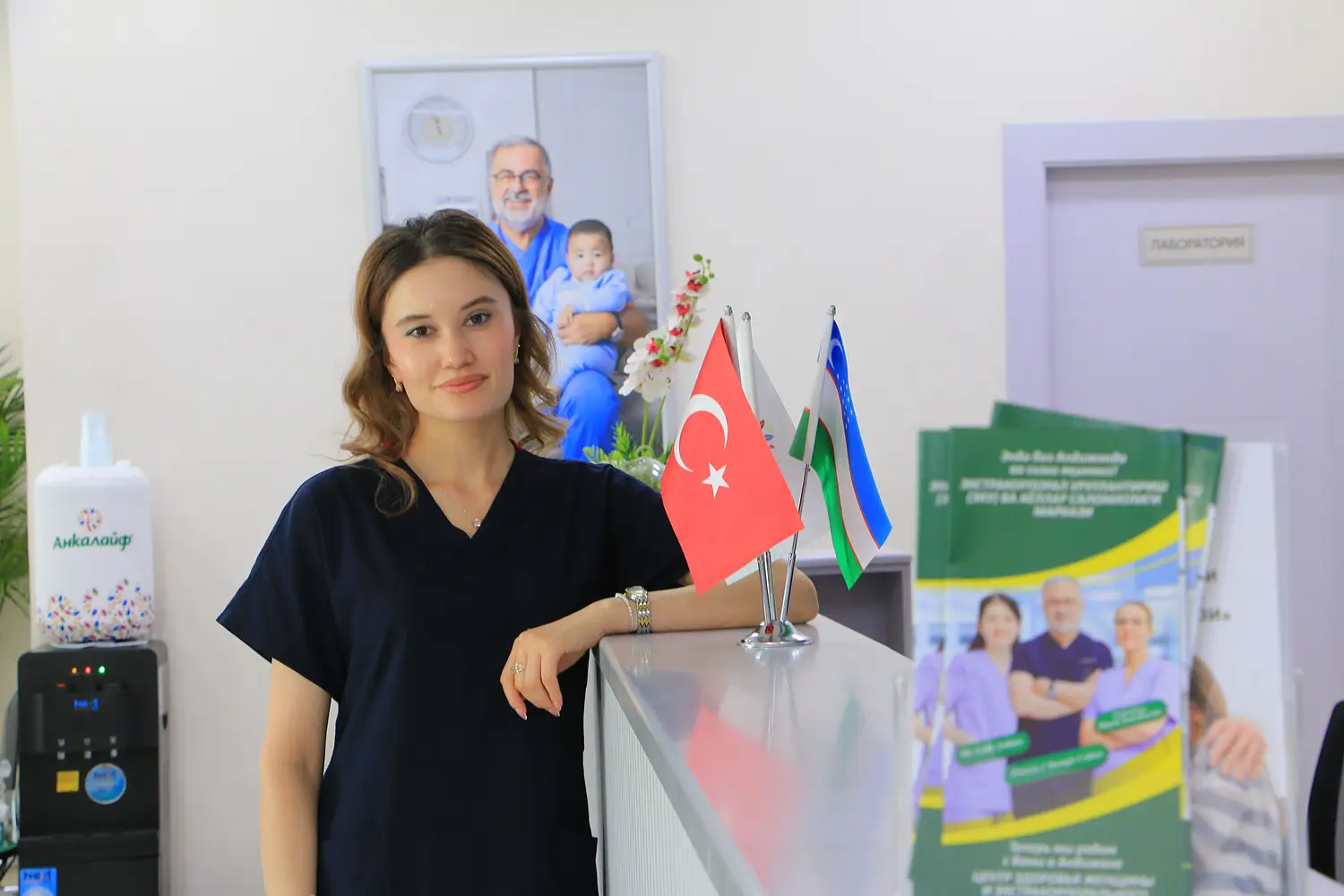 14+ years of experience
Reproductive Medicine Specialist · Gynaecologist
Dr. Gulshoda Nodirbekovna Toychiyeva
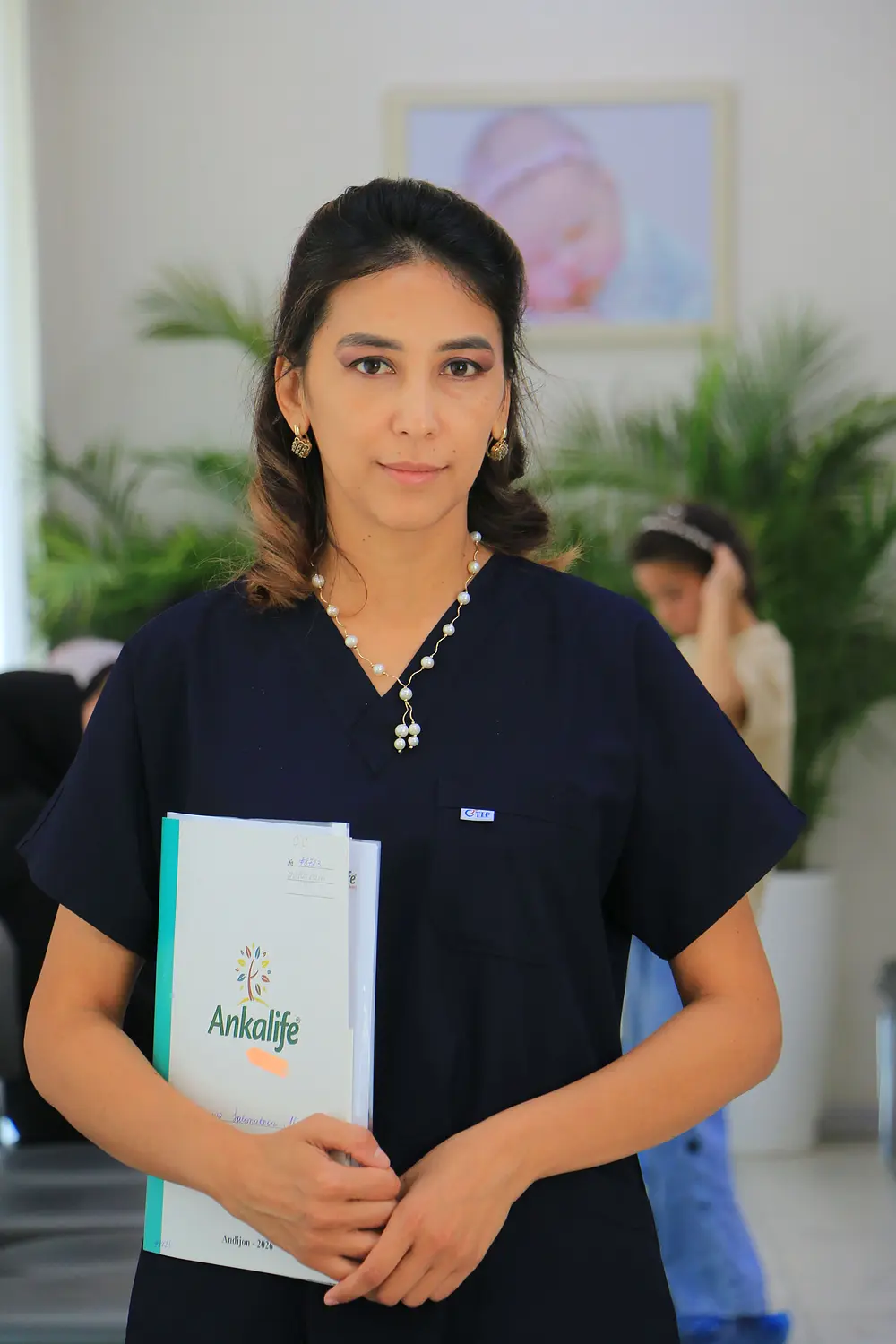 17+ years of experience
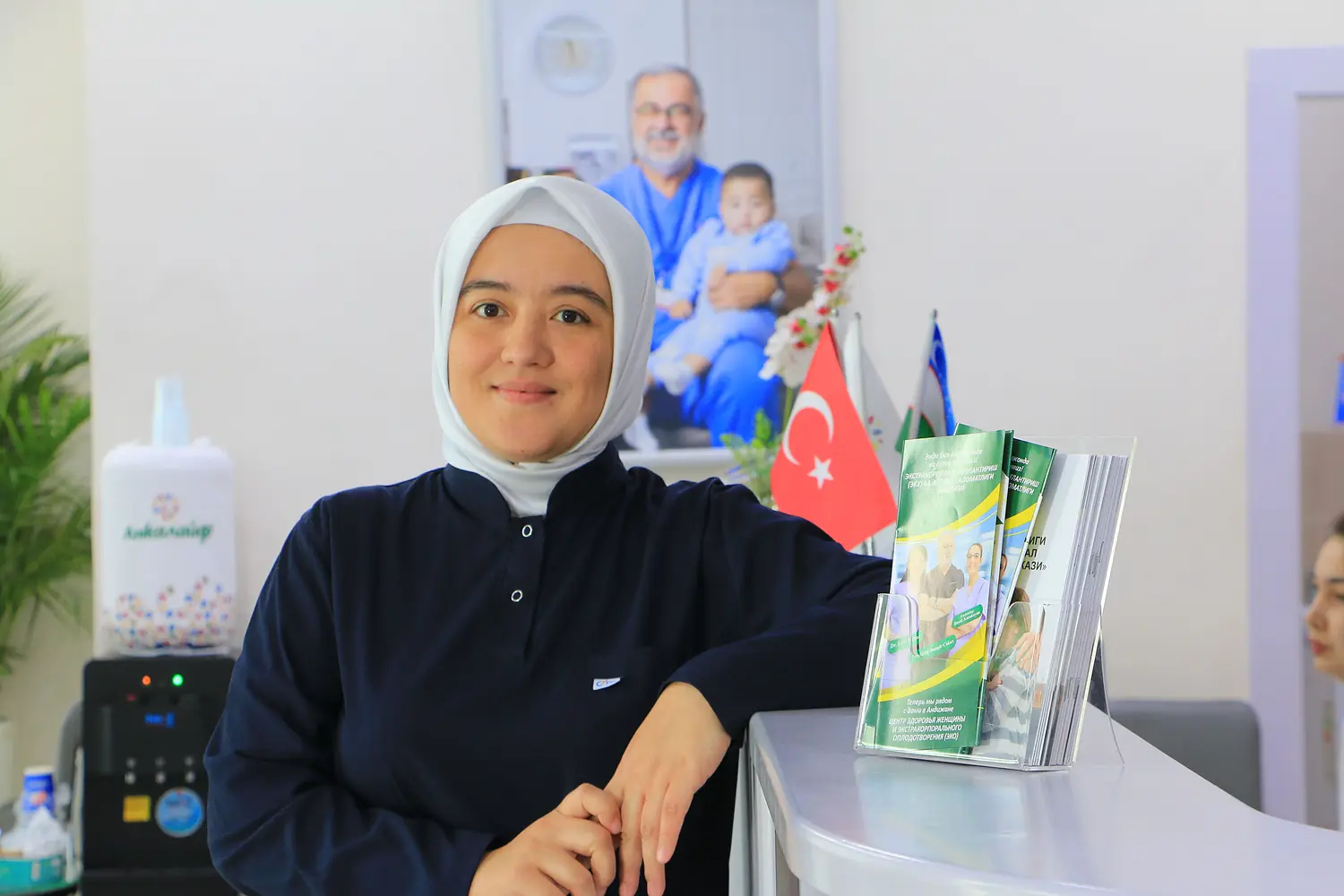 10+ years of experience
Patient stories
Every path is individual
A second happy announcement from the same family
6 years of waiting — wonderful news
A family who came with hope and left with joy
7 years of waiting — twin girls
A second time bringing happiness to the same family
7 years of waiting — a result on the first attempt
Twins, after nine years
8 years of waiting — a result on the first attempt
Articles & guides
Clear information from our specialists
Read clear articles about reproductive health and treatment.

IVF and treatment process
IVF Didn't Work the First Time: Why, the Review Appointment and What Happens Next
A negative test is not a diagnosis. What the doctor looks at after the first cycle, what changes in the plan, when 'recurrent failure' actually begins, why to be careful with unproven add-ons, and when to try again.
Read article →
IVF and treatment process
Male Infertility: Can It Be Treated? Symptoms, Causes and the First Step
In close to half of couples the male side plays a role, yet the man is usually the last to be tested. Why there are usually no symptoms, which causes can be corrected, what the first step is, when a urologist is needed and how the path looks with azoospermia.
Read article →
IVF and treatment process
Ovarian Stimulation in IVF: Drugs, Days, What You Feel and the Risks
The 'injection phase' of IVF: how long it lasts, how injections are done at home, how often you come for monitoring, what you feel, what changes with PCOS, and the warning signs of OHSS.
Read article →The center
What the clinic looks like
From reception to the embryology laboratory — our centre, as it is.


Questions
What people ask at the first visit
No "unique methods", and no percentages that say nothing about your own case.
01
How much does IVF cost in Tashkent?
You receive the exact amount as a single list before treatment starts — we do not add items during the cycle.
The cost depends on the protocol and on whether ICSI, genetic screening or embryo freezing are needed.
Read the full answer in our FAQs →
02
How long does one cycle take?
About three weeks from the start of stimulation to the hCG test. You come to the clinic 4–5 times.
You do not need to stop working, and no hospital stay is required — all procedures are outpatient.
Read the full answer in our FAQs →
03
No sperm was found in my husband's sample. Is that the end?
No. In azoospermia sperm can often be retrieved surgically — micro-TESE under an operating microscope.
A hormone profile and genetic testing come first; the plan depends on those results.
Read the full answer in our FAQs →
04
I was told my ovarian reserve is low. Is it too late?
A low AMH means there is less time — not that there is no time.
The protocol is chosen differently, and the decision is made after your first ultrasound and blood tests.
Read the full answer in our FAQs →
05
What is your success rate?
We do not publish a single overall percentage — it says nothing about your own case.
An overall figure mixes patients of different ages and diagnoses. At the consultation your doctor gives a realistic outlook based on your own results and explains what it is based on.
Read the full answer in our FAQs →Contact
Tashkent, Olmazor district
By appointment. Call or send a message — a fertility doctor replies, not an operator. Addresses and phone numbers for our Andijan and Bishkek centres are in the centre cards above.
AddressKichik Khalqa Yoli, 88
Phone+998 55 555 11 22
HoursMon–Sat, by appointment
LanguagesRU · UZ · TR · EN
First step
Start with a conversation, not a procedure
The first consultation is a conversation with a doctor about your situation. No commitment: asking a question does not mean starting treatment.
